
Cracking the Code: The PANS/PANDAS Insurance Playbook
Introduction
If you’re navigating PANS/PANDAS, you know the "Boss Level" isn't the diagnosis—it’s the insurance company. It’s a world where life-changing treatments like IVIG are often dismissed as "investigational," leaving families and clinicians stuck in a loop of denials.
Our goal today is to help you speak "Insurer." By aligning your documentation with their specific criteria, we can move from "Denied" to "Approved."
Why Coverage is a Moving Target
Insurers don't treat patients; they process data. While clinical frameworks (like those from the PANS Research Consortium) prioritize severity, insurers prioritize codes and criteria.
| Treatment Category | Payer Perspective | The Strategy |
| Antibiotics | Generally covered if linked to infection. | Document the specific bacterial trigger. |
| Steroids | High familiarity; usually easy to cover. | Use as a "step-therapy" baseline for IVIG. |
| IVIG | Highly Volatile. Often labeled "unproven." | Requires objective severity scales (CY-BOCS). |
| Plasmapheresis | Varies by state and specific plan. | Reference ASFA Category II for PANDAS. |
5 Common "Fail Points" (And how to dodge them)
The "Investigational" Stamp: Some policies have a blanket "no" on PANS. You must pivot to "Medical Necessity" via an appeal.
Lack of "Objective" Data: If it isn’t measured, it didn't happen. Use validated scales (e.g.CY-BOCS -"gold standard" for measuring OCD severity in children (ages 6–17).
The Wrong "Lane": Many IVIG denials happen because the request went to Medical benefits instead of Pharmacy (PBM). Submit to both!
Coding Mismatches: Sometimes the diagnosis code (D89.89) doesn't "talk" to the procedure code (36514) in their software.
Missing Step-Therapy: Insurers want to see that you tried the "cheaper" stuff (NSAIDs, steroids) first.
The Practical Playbook: Step-by-Step
Step 1: Build Your "Coverage Dossier"
Before hitting submit, ensure you have a one-page "Executive Summary" including:
The Timeline: Abrupt onset date and functional impairment (e.g., "Inability to eat" or "School refusal").
The Exclusions: A list of other things you’ve already ruled out.
The Scores: Your baseline symptom scales.
Step 2: The "High-Yield" Move
Submit the Prior Authorization (PA) to both the Medical insurer and the Pharmacy Benefit Manager (PBM). This is often the "secret sauce" for getting IVIG approved.
Step 3: Strategic Peer-to-Peer
If a clinician does a Peer-to-Peer review, don't debate the existence of PANS. Instead:
Ask: "Which specific policy criteria are driving this denial?"
Response: "On page 4 of the chart, you’ll see we met that specific criterion by..."
Step 4: The Internal Appeal
Keep it factual, not emotional. Quote the plan’s own "medical necessity" definition back to them and show—line by line—how the patient qualifies.
The "Copy-Paste" Cheat Sheet
Use these structural phrases in your letters to align with insurance logic:
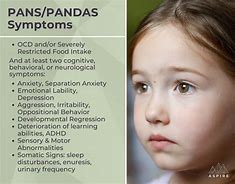
The Diagnosis Statement: "Patient meets PANS/PANDAS diagnostic criteria with abrupt onset (<1 month) of OCD and/or severely restricted food intake plus acute neuropsychiatric symptoms; alternative etiologies have been ruled out."
The Severity Statement: "Baseline severity documented with [CY-BOCS score]. These instruments will be repeated post-treatment to quantify response for reauthorization."
The Urgency Clause: "This request should be processed as expedited due to the risk of serious clinical deterioration and loss of function with prolonged delay."
Coding Reference (Verify with your billing team)
PANDAS: D89.89
PANS: D89.9
TPE (Plasmapheresis): CPT 36514
IVIG Supply: Common J-Codes include J1561 or J1569.
🔗 Recommended Resources
CMS.gov: For external review rights and timelines.
The Neuroimmune Foundation: For detailed "medical vs. pharmacy" benefit strategies

-
534 River Crossing Dr. Ste 508
Fort Mill, SC 29715 -
practice@brainrestorationclinic.com
-
(704) 541-9117
Quick Links

Watch Now